Products
Our products cover multiple core areas such as fine chemicals, basic chemicals, and specialty chemicals, and are widely used in key industries such as coatings, building materials, pharmaceuticals, new energy, and new materials.
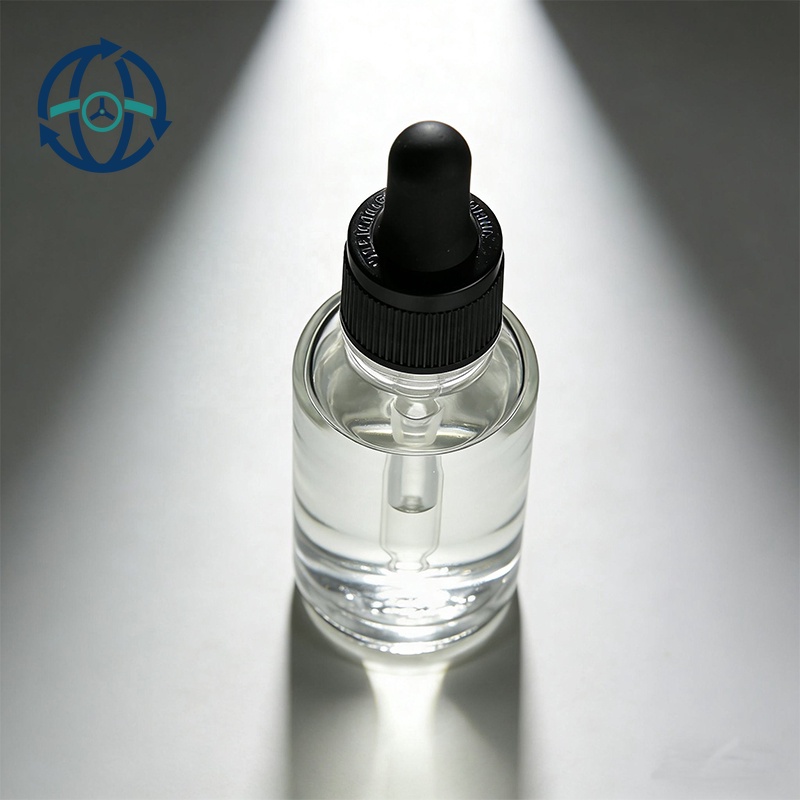
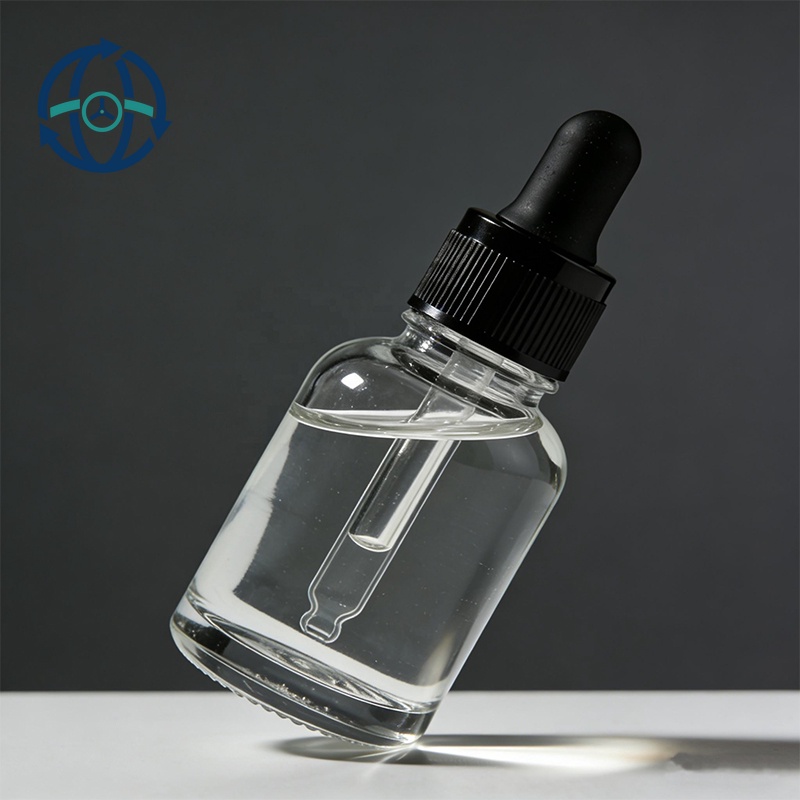
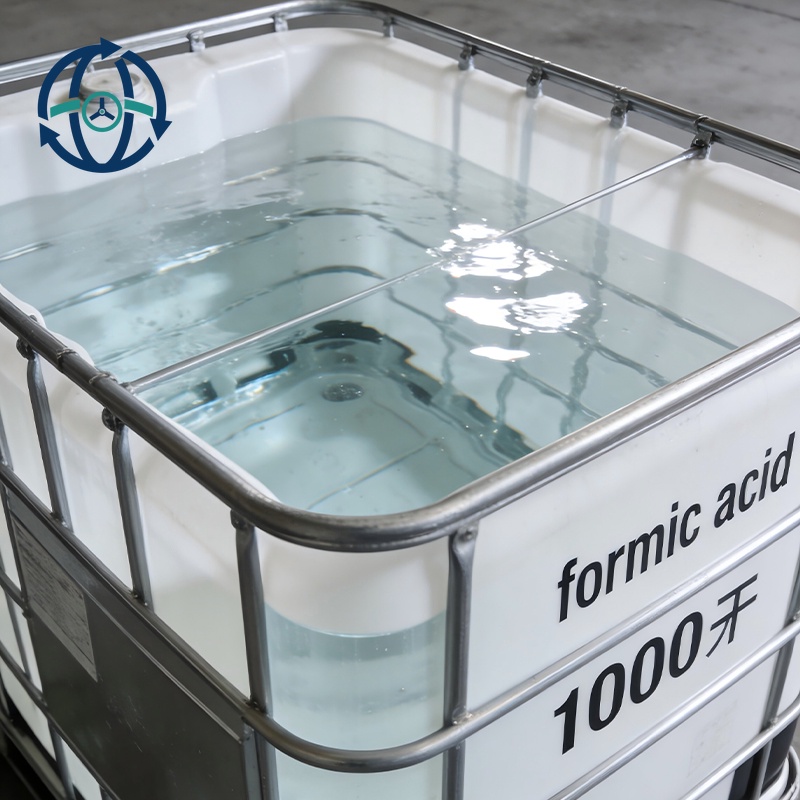
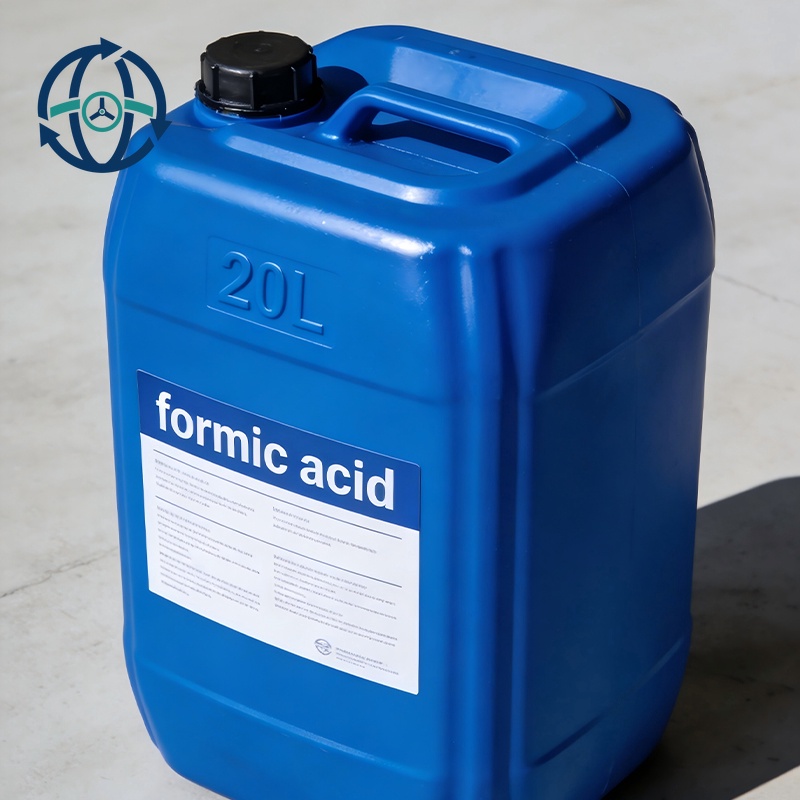
Formic acid
Description
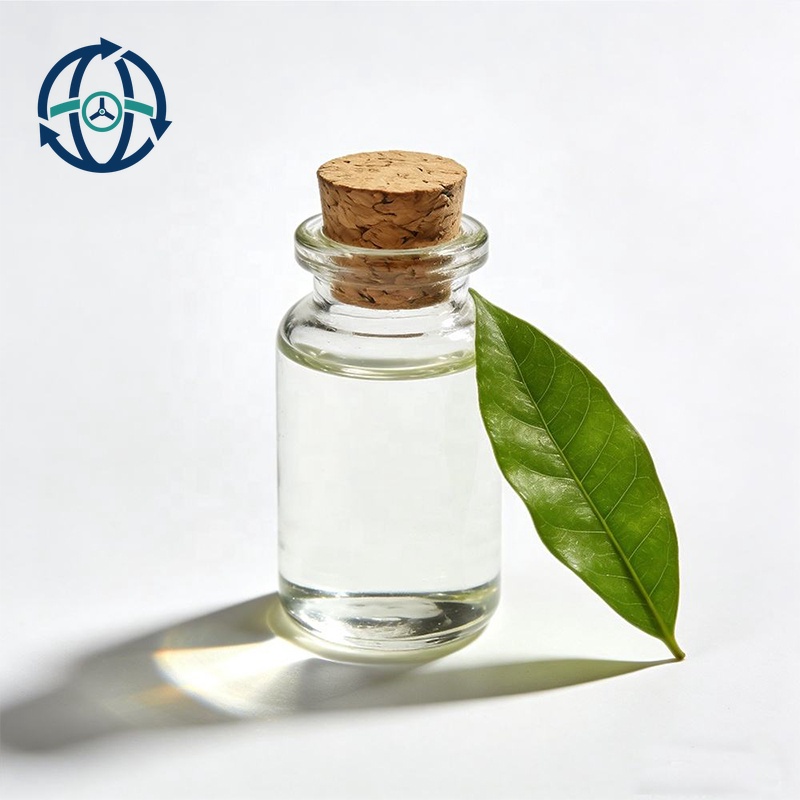
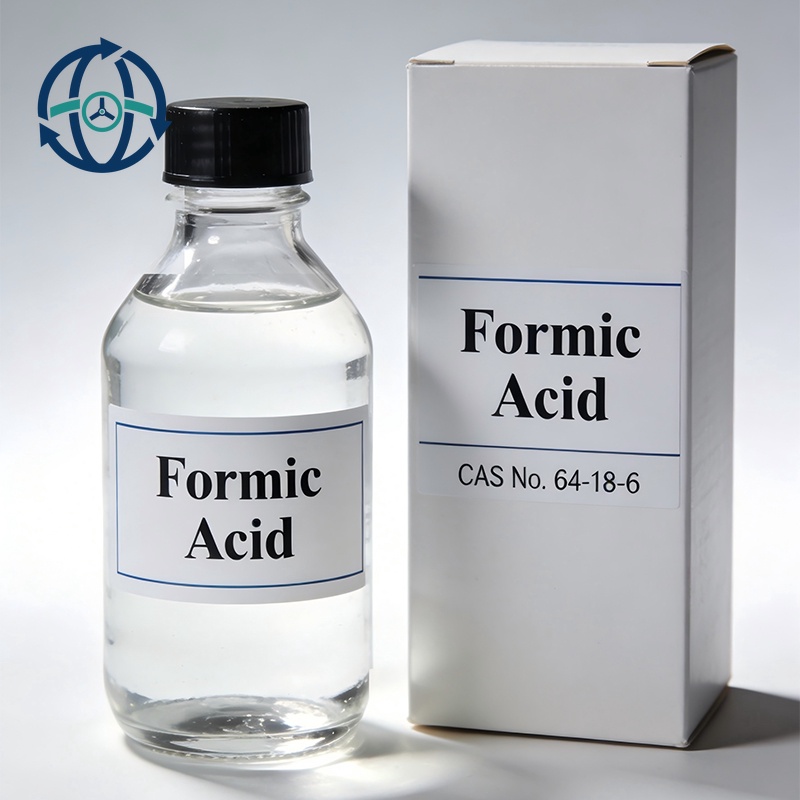
Formic acid (CAS 64-18-6) is a strong organic acid with an irritating odor. Since formic acid is a toxic metabolite of methanol, most of the toxicity of formic acid comes from studies on methanol. Formic acid has replaced inorganic acids in manufacturing and has shown potential use in new energy technologies.
Basic Information
physicochemical properties:
Flammable. It is freely miscible with water, ethanol, ether and glycerol, miscible with most polar organic solvents, and has certain solubility in hydrocarbons.
Relative density (d204) 1.220. Refractive index 1.3714. The combustion heat is 254.4 kJ/mol, the critical temperature is 306.8 ℃, and the critical pressure is 8.63 MPa. Flash point 68.9 ℃ (open cup). The density is 1.22, the relative vapor density is 1.59 (air=1), and the saturated vapor pressure (24°C) is 5.33 kPa.
High concentrations of formic acid are easy to freeze in winter.
Incompatible materials: strong oxidants, strong bases, active metal powders.
Hazardous characteristics: its vapor and air form an explosive mixture, which can cause combustion and explosion in case of open fire and high heat energy. Reacts with strong oxidants.
Solubility: miscible with water, insoluble in hydrocarbons, miscible in alcohol.
In hydrocarbons and in the gaseous state, formic acid occurs as a dimer through hydrogen bonding. In the gaseous state, hydrogen bonding results in a large deviation between the equation of state for formic acid gas and the ideal gas. Liquid and solid formic acid consists of continuous formic acid molecules that are hydrogen-bonded together.
Formic acid is decomposed into CO and H2O under the catalysis of concentrated sulfuric acid:
Due to the special structure of formic acid, one of its hydrogen atoms is directly connected to the carboxyl group. It can also be regarded as a hydroxy formaldehyde. So formic acid has both acid and aldehyde properties.
Formic acid has the same properties as most other carboxylic acids, although normally it does not form acid chlorides or anhydrides. Formic acid is dehydrated and decomposed into carbon monoxide and water. Formic acid has reducibility similar to aldehydes. It can have a silver mirror reaction, reducing the silver ions in the silver ammine ions to metallic silver, and being oxidized into carbon dioxide and water:
Formic acid is the only carboxylic acid that can undergo an addition reaction with olefins. Under the action of acid (such as sulfuric acid, hydrofluoric acid), formic acid rapidly reacts with olefin to form formate. But a side reaction similar to the Koch reaction also occurs, and the products are higher carboxylic acids.
Logarithmic value of octanol/water partition coefficient: -0.54, upper explosion limit % (V/V): 57.0, lower explosion limit % (V/V): 18.0.
Formic acid is a strong reducing agent and can produce silver mirror reaction. Among the saturated fatty acids, the acidity is the strongest, and the dissociation constant is 2.1×10⁻⁴. Slowly decomposes into carbon monoxide and water at room temperature. It is heated to 60~80℃ with concentrated sulfuric acid to decompose and release carbon monoxide. Formic acid is decomposed to release carbon dioxide and hydrogen when heated to above 160°C. Alkali metal salts of formic acid are heated to 400°C to form oxalates.
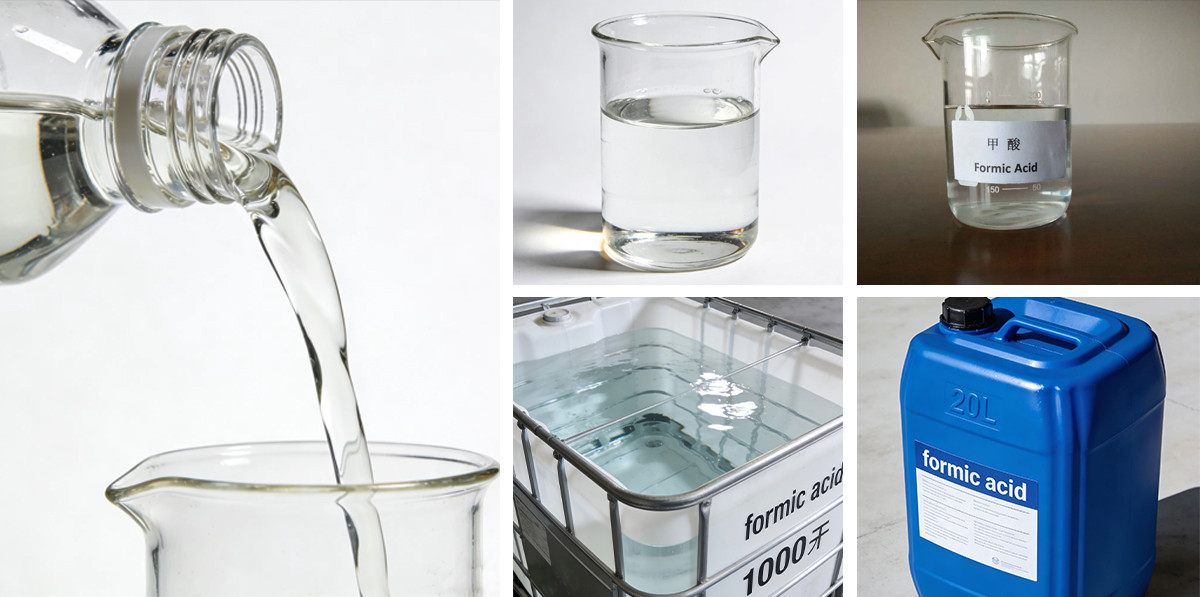
product display
Certification

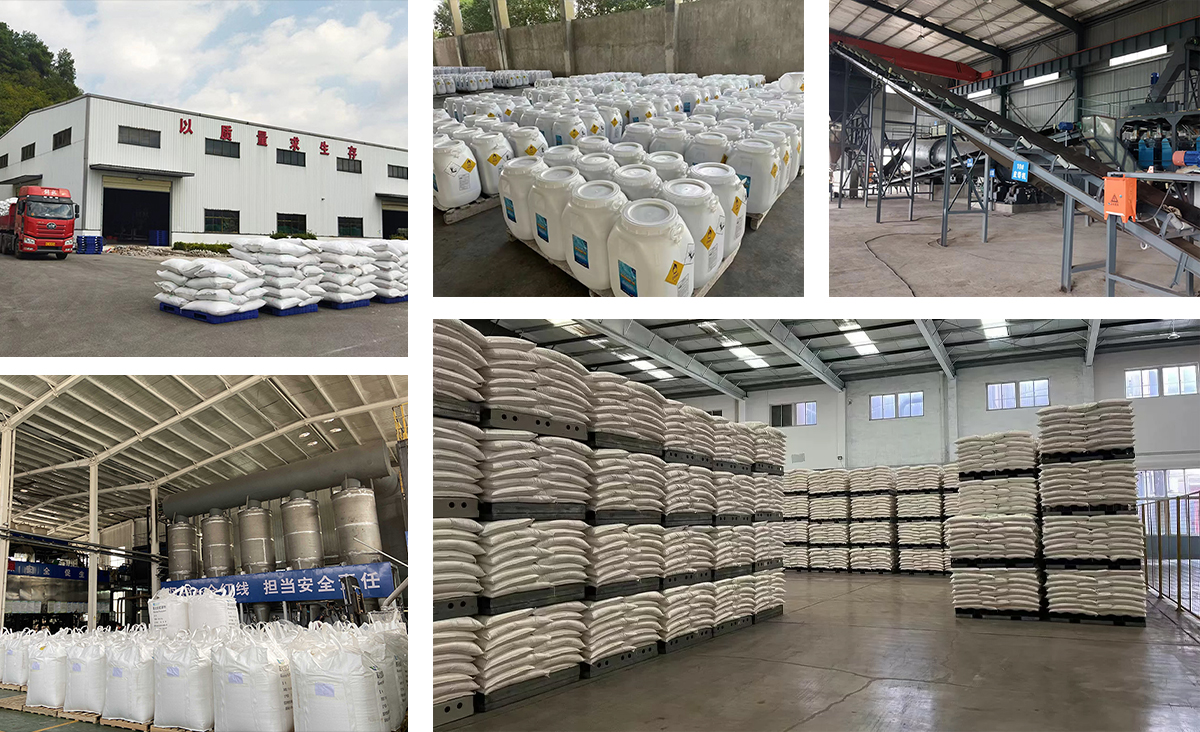
Factory
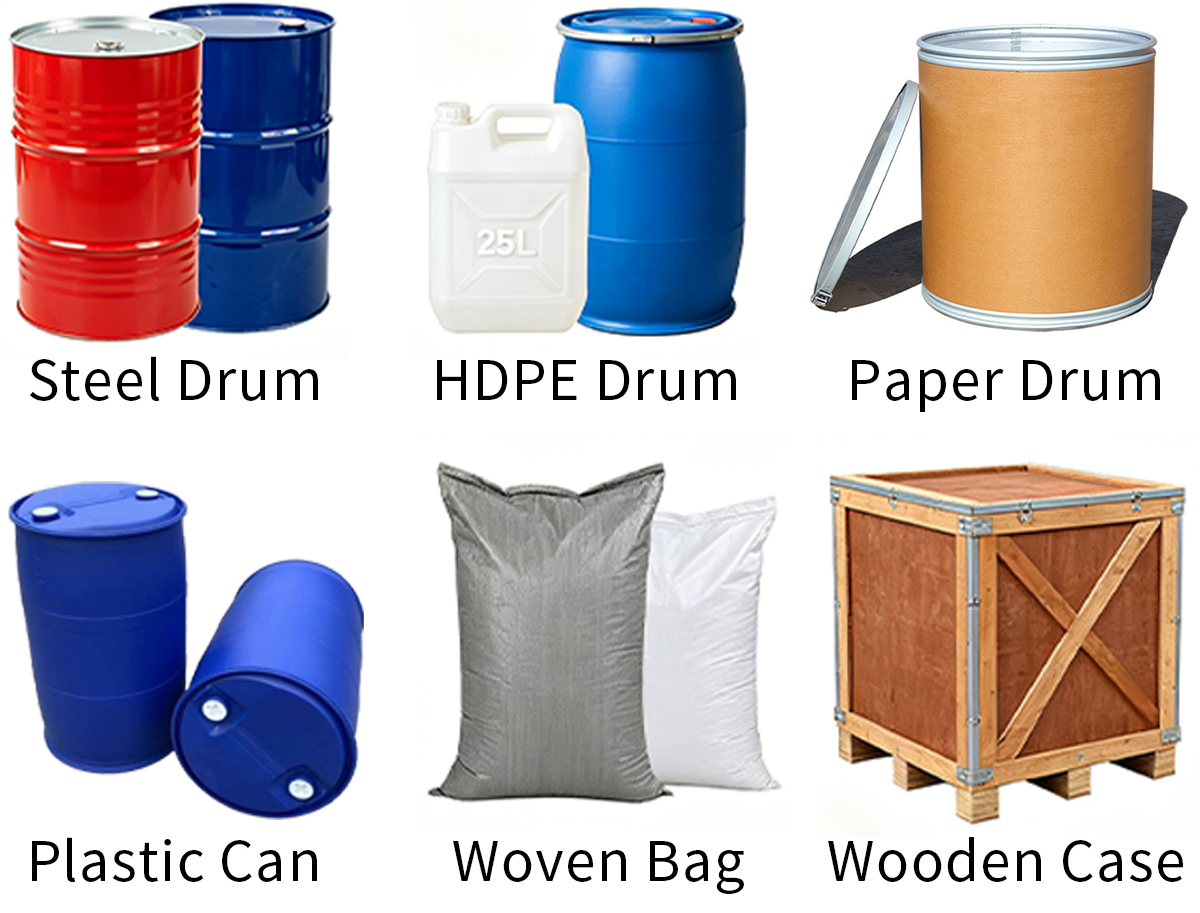
Packaging method
If you have any questions, we will sincerely answer for you!
RELATED PRODUCTS